Atomic Force Microscope
01

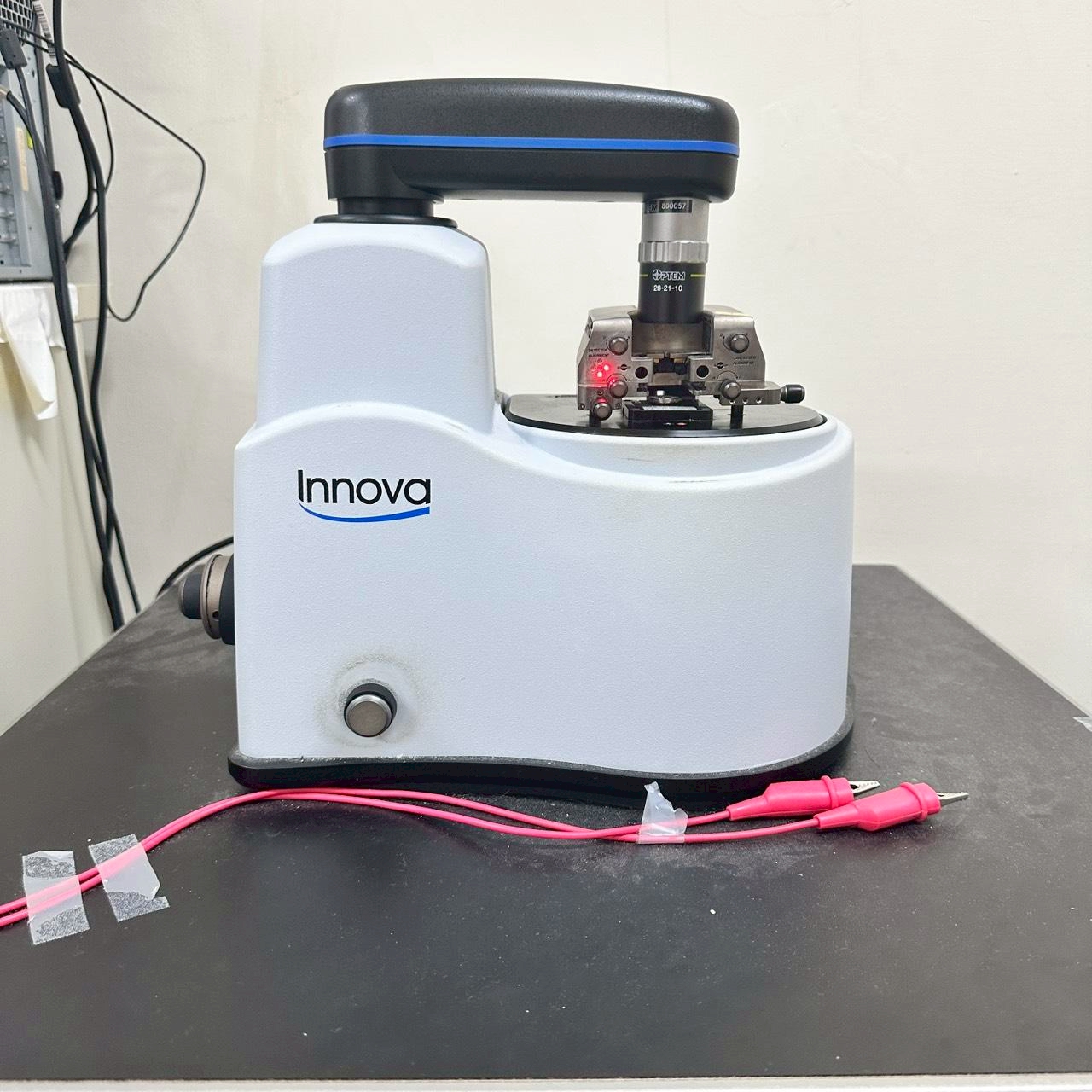
Atomic Force Microscope

Surface topography and conductive AFM

High-resolution imaging of surface morphology, lateral force mapping, and conductive-AFM measurements for electrically-driven domain manipulation in 2D magnetic materials.

Capabilities: Tapping / Contact / Conductive modes
Applications: bubble domain creation, PL patterning in 2D heterostructures
Details →
Magneto-optical Kerr Microscope
02

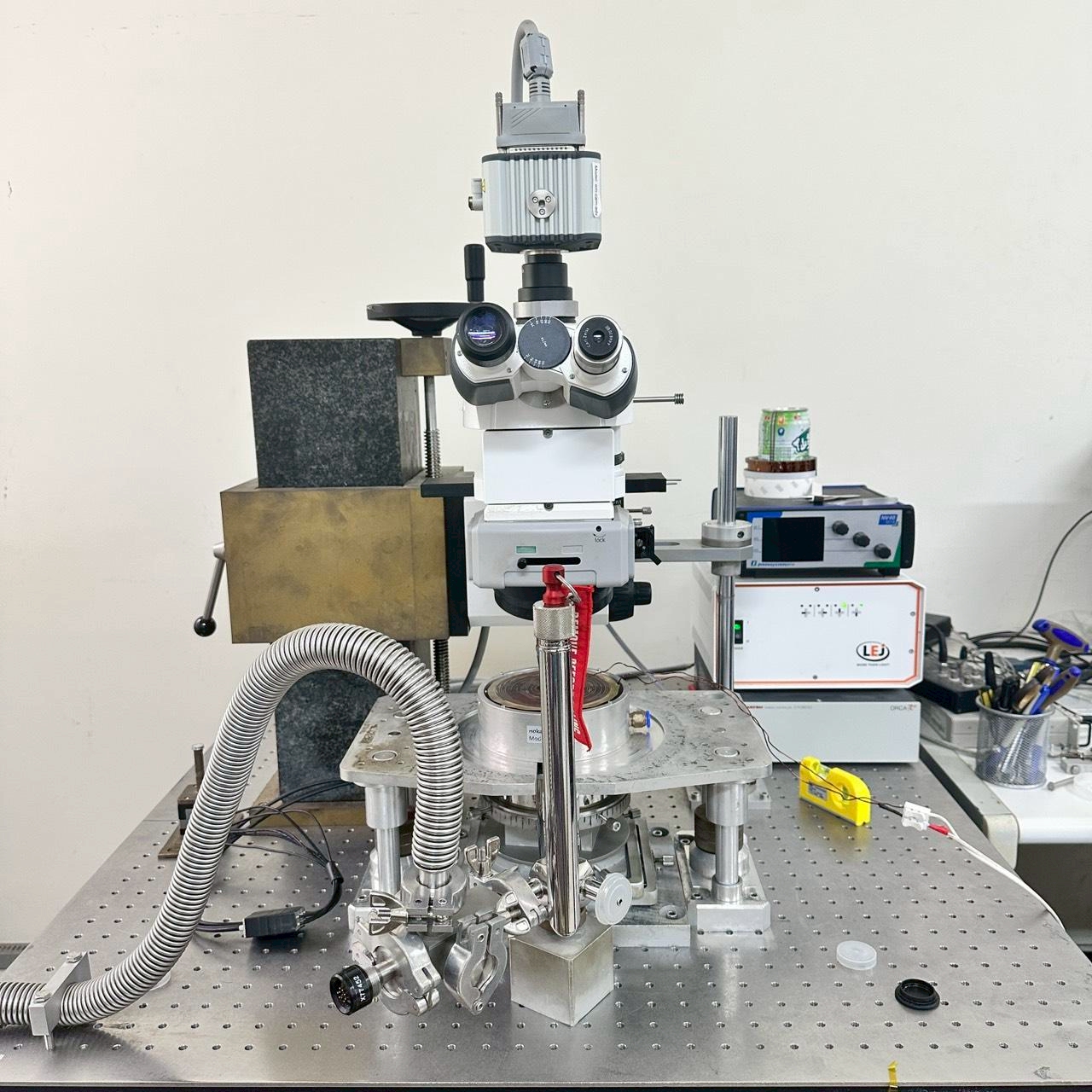
Magneto-optical Kerr Microscope

Real-space domain imaging & hysteresis

Visualizes magnetic domain structure, domain-wall motion, and hysteresis loops with sub-micron resolution. Used extensively for hydrogen-induced domain dynamics studies.

Modes: Polar / Longitudinal / Transverse Kerr
Applications: domain imaging, M–H loops, time-resolved diffusion mapping
Details →
Chemical Vapor Deposition
03

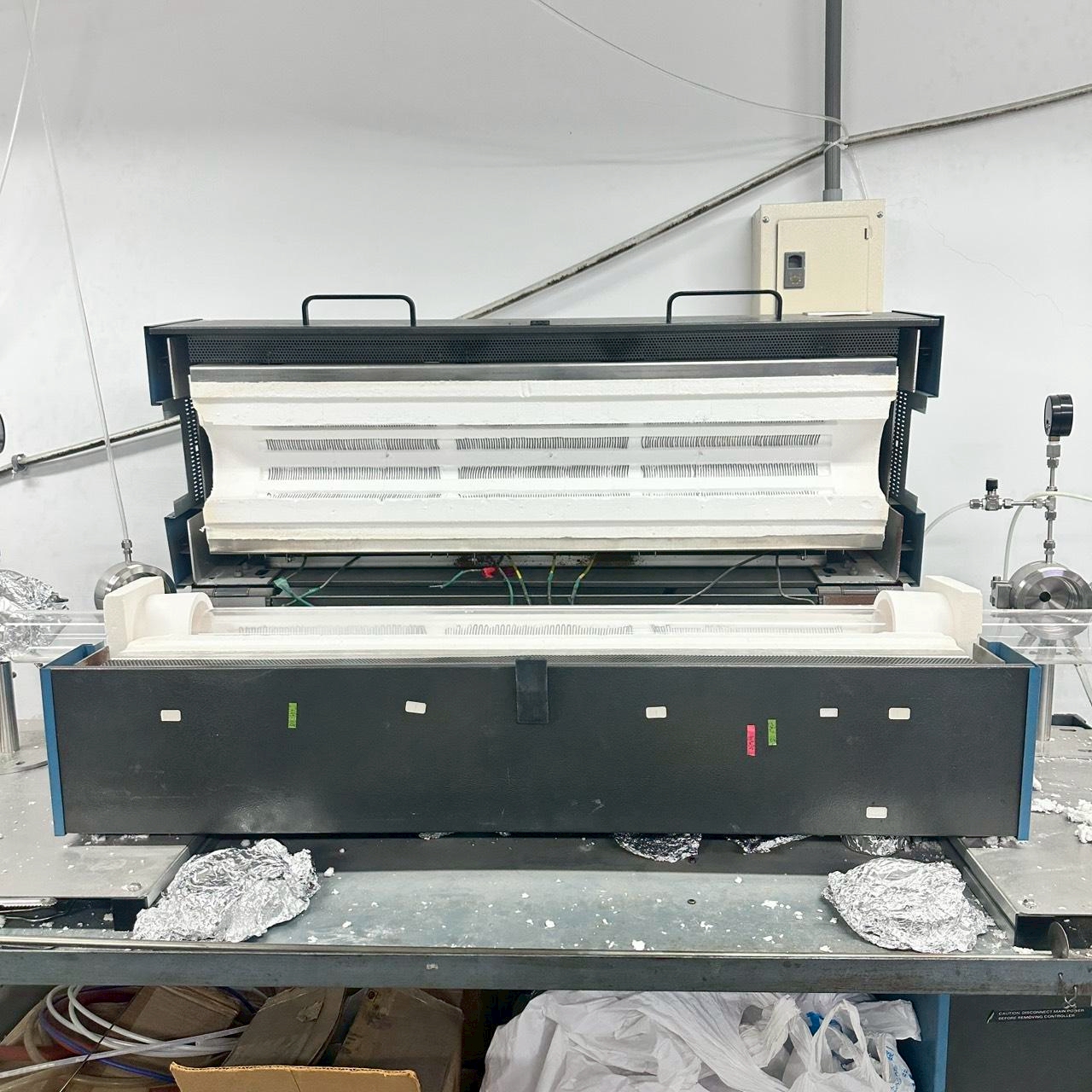
Chemical Vapor Deposition

In collaboration with Prof. Fang-Yuh Lo's group

Growth of 2D materials (graphene, hBN, TMDs) and oxide thin films on various substrates for heterostructure fabrication and interface studies.

Materials grown: Graphene, hBN, MoS₂, perovskite oxides
Substrates: SiO₂/Si, sapphire, transparent conductive oxides
Details →
UHV e-beam Evaporation System
04

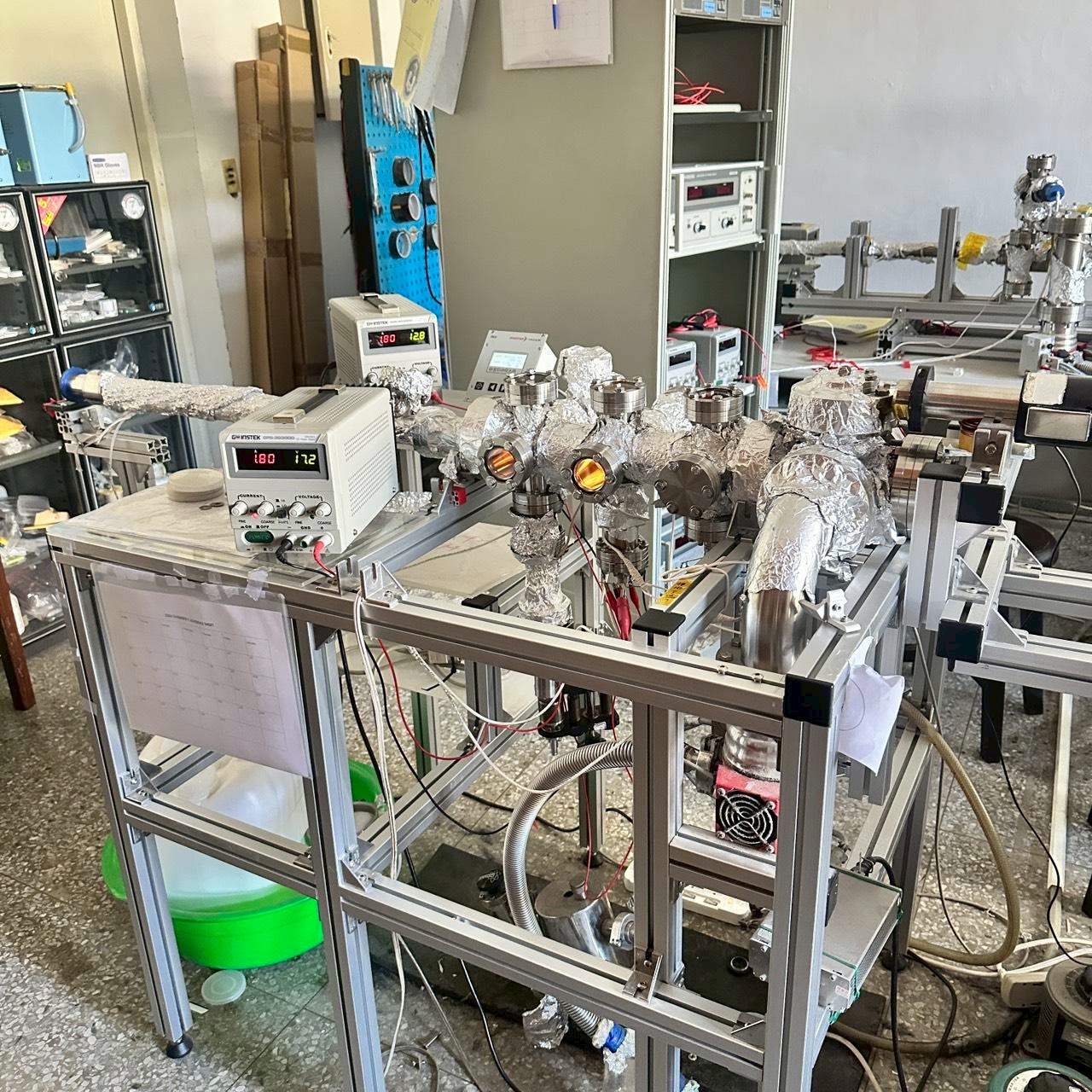
UHV e-beam Evaporation

Ultra-high vacuum thin-film deposition

Electron-beam evaporation in UHV environment for clean, layer-controlled growth of magnetic thin films, multilayers, and alloy systems with sub-monolayer precision.

Base pressure: 10⁻¹⁰ Torr range
Materials: Fe, Co, Ni, Pd, Pt, Cu, Mn, noble gases
Details →
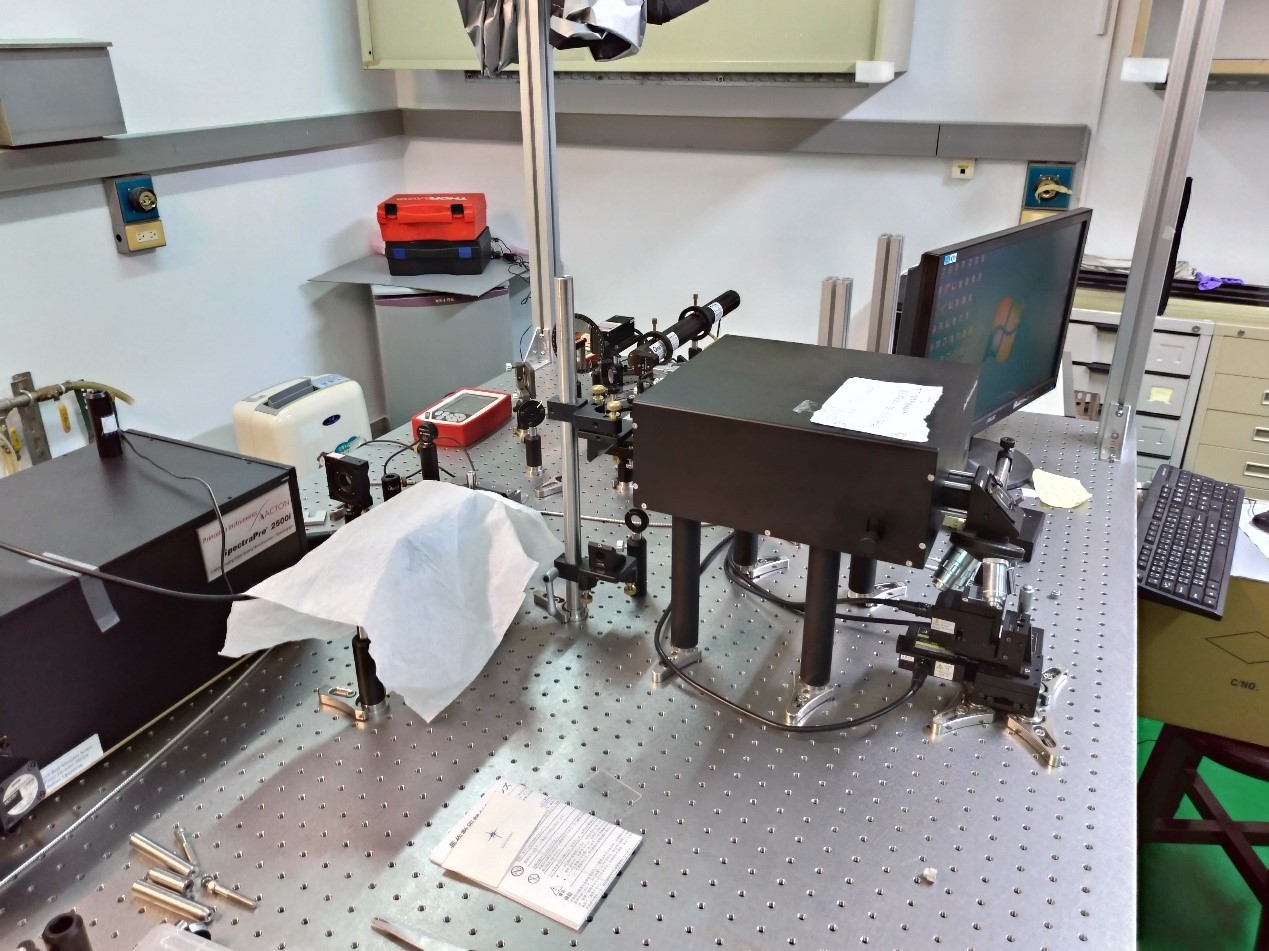
Raman Spectrometer
05

Raman Spectrometer

Shared NTNU Physics facility

Vibrational spectroscopy for material identification, layer-number determination in 2D materials, strain/doping analysis, and photoluminescence characterization.

Excitation: Multi-wavelength laser lines
Applications: 2D material layer counting, strain mapping, PL spectra
Details →
Vibrating Sample Magnetometer
06

Vibrating Sample Magnetometer

Bulk magnetization measurements

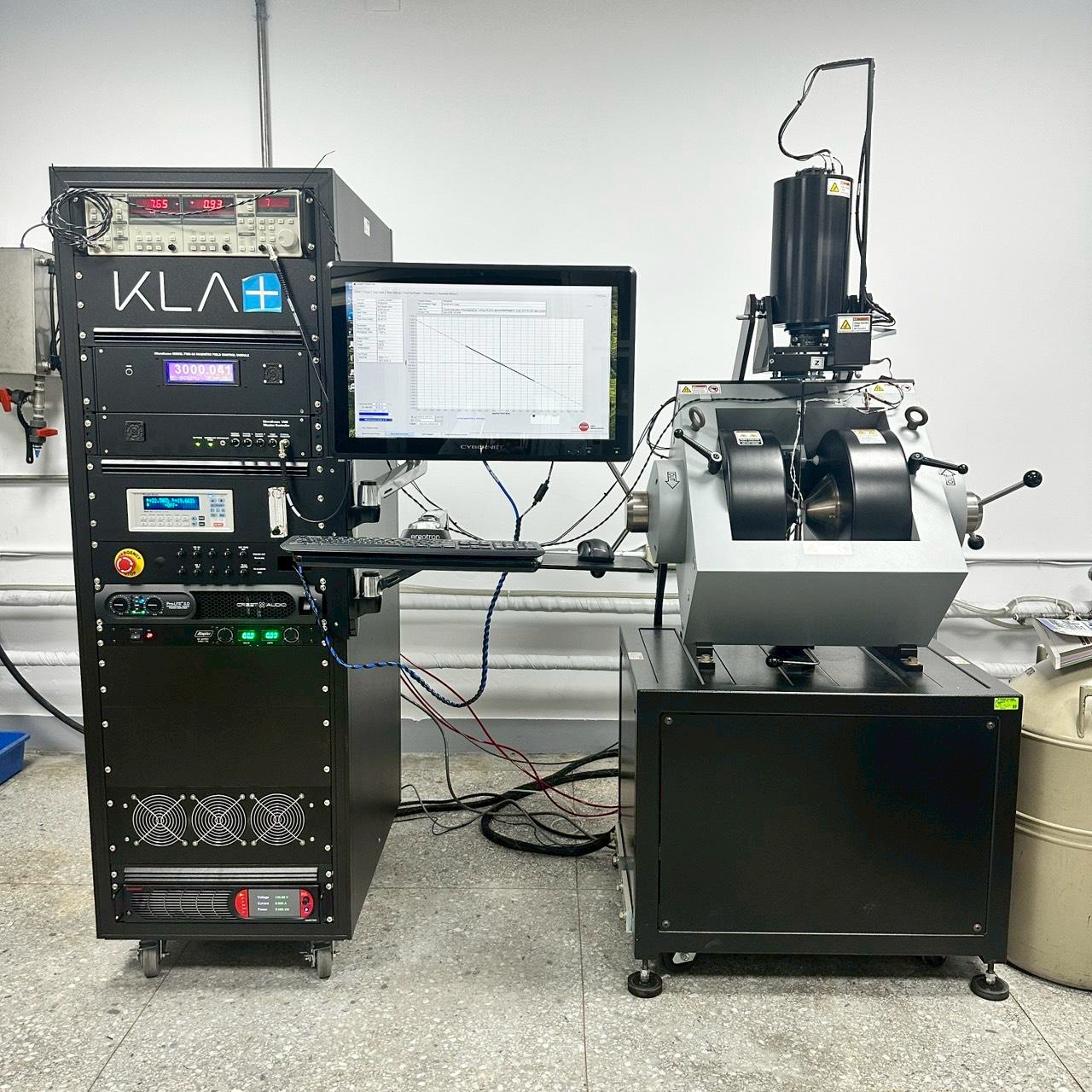
Quantitative magnetization measurements (M–H loops, M–T curves) across temperature and magnetic field ranges — the workhorse for characterizing new magnetic samples.

Field range: typically up to ±2 T
Temperature: variable (low-T option available)
Details →